Finding a Steady Stream of Aerial Capture Jobs Nearby
How Drone Pilots Can Find Recurring Flight Work in Their Area
For many FAA-certified drone pilots, the challenge isn't flying, it's finding enough paying jobs to make the work sustainable. A single project here and there doesn't build a business. What pilots need is a reliable method for securing recurring flight assignments within their own service area. This article walks through the practical steps to build that kind of steady pipeline, from positioning yourself in the right networks to managing client relationships that lead to repeat work.
Step One: Understand What Local Demand Looks Like
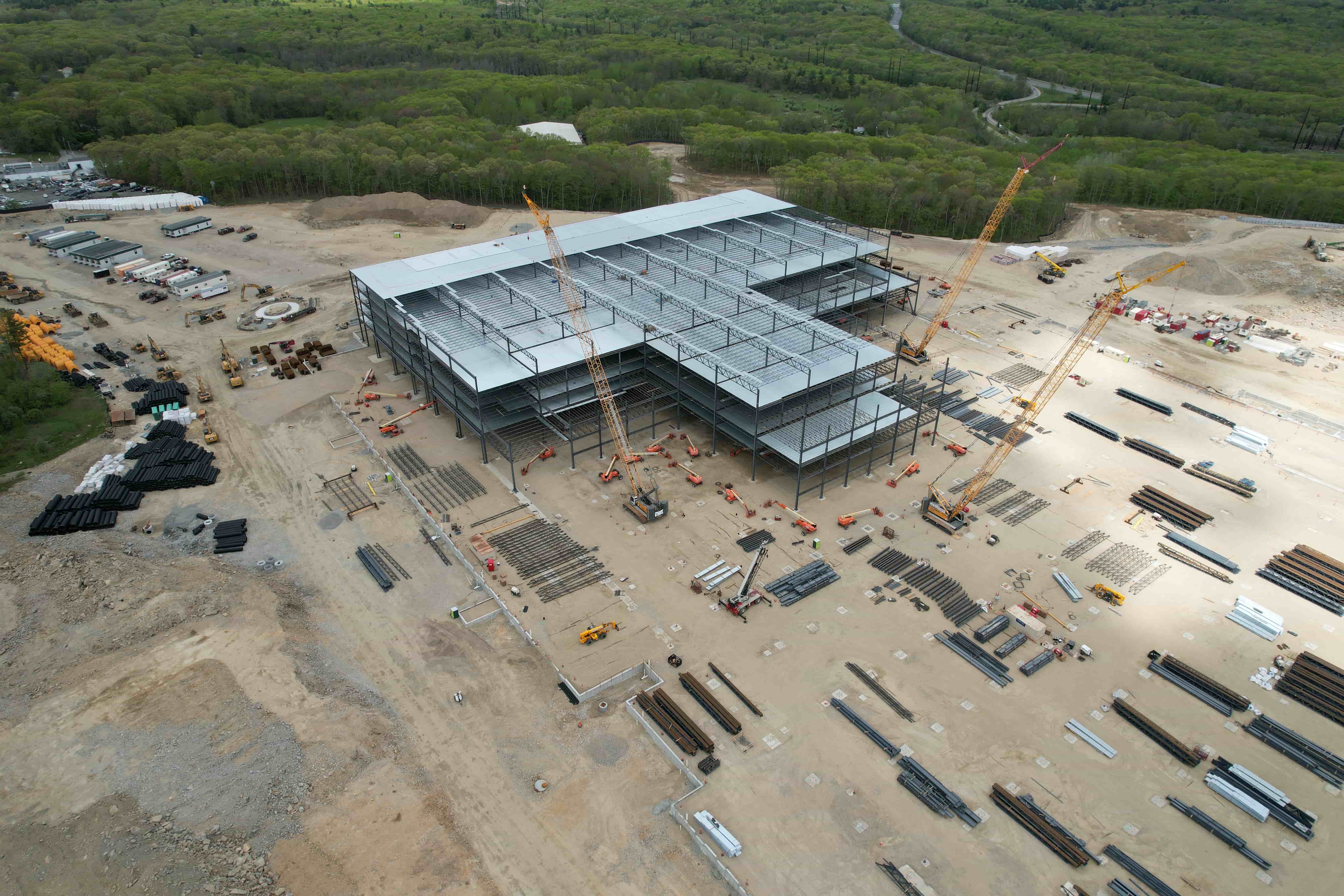
Before you start hunting for jobs, you need a clear picture of who needs aerial data and how often. Recurring work doesn't come from one-off requests from homeowners. It comes from businesses, government agencies, and organisations that need regular capture work, for construction progress monitoring, infrastructure inspection, agricultural surveys, or environmental monitoring. Spend time identifying which of these sectors are active in your region. A good starting point is to look at planned developments, road projects, and utility maintenance schedules in your area. These are the kinds of client projects that generate repeat flight assignments over weeks or months.
Step Two: Join the Right Drone Pilot Network
A drone pilot network is more than a directory. It's a platform that connects certified pilots with companies that need aerial services on a regular basis. When you join a network, you're not just listing your name and equipment. You're making yourself available for capture requests that come in from clients who have ongoing needs. The key is to choose a network that matches the kind of work you want. Some networks focus on real estate photography, while others specialise in industrial inspection or agricultural mapping. Look for a platform that gives you access to job briefings that include clear details about the flight assignment, the required data outputs, and the expected timeline. A good network will also provide a pilot application process that lets you specify your service area, equipment types, and availability.
Step Three: Build a Professional Pilot Application
Your pilot application is your first impression. Treat it like a professional resume. Include your FAA certification number, a list of your equipment with camera specs, and examples of previous work. If you have experience in a particular sector, say, thermal inspection or orthomosaic creation, highlight that. Many networks allow you to upload a portfolio. Use this space to show your best work, not everything you've ever done. Clients and network operators alike want to see that you can deliver consistent, high-quality results. A polished application increases your chances of being selected for the most suitable assignments.
Step Four: Be Selective About What You Apply For
Not every capture request that comes through the network will be right for you. Some will be outside your service area. Others may require equipment you don't own. And some may offer a payout percentage that doesn't make sense for the time and travel involved. Be discerning. A flight assignment that requires a long drive for a small payout might not be worth it, even if it fills a gap in your calendar. On the other hand, a job that pays reasonably and is close to home can be the start of a long-term relationship with a client. The goal is to build a reputation for reliability and quality, not to take every job that appears.
Step Five: Deliver More Than Just Raw Data
When you complete a flight assignment, what you hand over matters. A client who receives only a pile of unprocessed images may not come back. But a client who gets processed, visualised, and clearly reported data will see the value in hiring you again. Many drone pilot networks offer tools for processing, hosting, and sharing aerial data. Use these to turn your raw captures into something the client can immediately use, a map, a 3D model, or a time-series comparison. This extra step transforms a one-time capture job into a professional service. Clients who see that level of care are far more likely to call you back for their next project.
Step Six: Cultivate Repeat Business
Recurring work doesn't just appear. You have to nurture it. After a job, follow up with the client. Ask if the data met their needs. Ask if they have upcoming projects. Stay in touch without being pushy. A simple email every few months with a link to a recent project you've done can remind them you're available. Over time, these small gestures turn into a steady flow of local work for drone pilots. One satisfied client can become a source of multiple assignments across different seasons and projects. And because you've already built trust, those assignments require less upfront effort than cold leads.
Step Seven: Expand Your Service Area Thoughtfully
If you find that your immediate area doesn't generate enough recurring work, consider expanding your service area. This doesn't mean driving hours for a single job. Instead, look for clusters of demand in neighbouring towns or counties. A single region may have multiple construction projects, utility inspection cycles, or agricultural seasons that create capture requests. By positioning yourself as available across a wider service area, you increase your chances of being matched with flight assignments that fit your schedule and equipment. Just be sure to factor travel time into your pricing and availability.

What to Watch Out For
Every step has its pitfalls. In a drone pilot network, not all capture requests are created equal. Some may be poorly scoped or lack clear job briefings. Others may come from clients who don't understand what aerial data can do. Be prepared to educate clients about what's possible and what each type of data costs in terms of flight time and processing. Also watch for networks that take a high payout percentage without offering much in return, like no data processing tools or poor client matching. A good network supports your work, not just its own bottom line.
Building a Long-Term Practice
Recurring flight work is the foundation of a sustainable drone business. By joining a quality drone pilot network, crafting a strong application, being selective, and delivering polished results, you create a cycle of repeat jobs that grows over time. The network becomes a channel for local work for drone pilots who treat each assignment as the start of a relationship, not just a transaction. With patience and consistent quality, you can turn occasional flights into a steady professional practice.